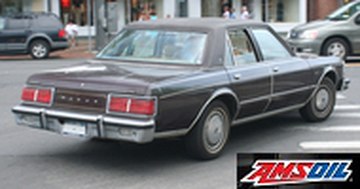
Engine Lubrication and Maintenance for the 1981 Dodge ST REGIS 5.2L
Maintaining a vehicle from the early 1980s requires a shift in perspective compared to modern automotive care. For owners of a 1981 Dodge ST REGIS equipped with the 5.2L engine, routine service is not just about following a schedule, but about active monitoring and understanding how aging mechanical components interact with various fluids. Proper lubrication management is a cornerstone of preserving the operational integrity of this powertrain.
Monitoring Fluid Integrity and Potential Seepage
As vehicles age, the materials used in gaskets and seals can undergo changes in elasticity and composition. For a 1981 Dodge ST REGIS, regular visual inspections are essential to identify any signs of fluid loss before they escalate into more significant issues. When performing routine maintenance, it is beneficial to look for evidence of seepage around various engine junctions.
Rather than assuming specific components will fail, an owner should observe the cleanliness of the engine block and surrounding areas. The presence of dark, oily residue or fresh fluid droplets can indicate that a seal or gasket may be losing its ability to contain pressure effectively. If you notice any unexpected fluid accumulation, it warrants a closer inspection to determine the source. This proactive approach helps in distinguishing between minor surface seepage and more urgent leaks that could lead to low lubricant levels.
In addition to checking for oil-related issues, inspecting other vital systems is part of a comprehensive maintenance strategy. If equipped, check the condition of accessible drive belts for signs of wear such as cracking or fraying. Similarly, inspect any visible hoses for signs of softening, swelling, or brittleness. Maintaining these peripheral components ensures that the engine operates within its intended thermal and mechanical parameters.
Observing Changes in Engine Performance and Lubricant Condition
Effective maintenance involves being attentive to how the vehicle behaves during operation. While many issues can have multiple underlying causes, certain symptoms should never be ignored. For instance, a sudden change in the way the engine sounds or any unusual mechanical noises may be associated with changes in lubrication quality or volume.
Owners should also monitor for any unexpected consumption of oil. If you find that you are needing to add lubricant more frequently than in previous months, this is a signal to investigate further. Furthermore, keep an eye on the appearance of the fluid during your regular checks. While some discoloration is expected as oil ages and collects contaminants, extreme changes in texture or consistency can indicate that the lubricant is no longer performing its intended role effectively.
If any warning indicators appear on the dashboard related to engine operation, these require immediate attention. It is important to remember that a single symptom does not provide a definitive diagnosis; rather, it serves as a prompt for a professional inspection or a more thorough personal investigation into the vehicle's current state.
Prioritizing Maintenance Through Condition-Based Assessment
When managing an older vehicle like the 1981 Dodge ST REGIS, it is often more effective to prioritize tasks based on the actual condition of the machine rather than strictly following age-based assumptions. Every vehicle has a unique history, and its current needs will depend heavily on how it has been operated and maintained in the past.
If you are stepping into ownership without a complete service history, your first priority should be establishing a maintenance baseline. This can be done by performing a thorough inspection of all fluids, filters, and visible mechanical components. Once you have a clear picture of the current state of the 5.2L engine, you can begin to develop a personalized maintenance plan.
Effective prioritization involves addressing active concerns first—such as identified leaks or unusual noises—before moving on to preventive measures. Keeping detailed records of every oil change, filter replacement, and observed repair is one of the most valuable tools an owner can possess. These records allow you to track trends, such as increasing fluid consumption or the frequency of certain repairs, which helps in making informed decisions about the long-term care of the vehicle.
The Role of Lubrication in Engine Longevity
Engine oil performs several vital roles that are critical to the continued operation of the 5.2L engine. Beyond simply reducing friction between moving parts, the lubricant acts as a medium for heat management by carrying thermal energy away from high-temperature areas. It also plays a role in cleaning the internal environment by suspending microscopic particles and debris, preventing them from settling into deposits or sludge.
Maintaining the correct quality of oil is essential for ensuring these functions are carried out effectively. As oil undergoes thermal cycles and interacts with combustion environments, its chemical properties can change. Regular changes ensure that the additives designed to control oxidation and prevent the buildup of deposits remain at effective concentrations. By staying diligent with lubrication intervals and monitoring the condition of the fluid, you contribute significantly to the sustained health of the engine.
Practical Steps for Effective Ownership
Long-term ownership of a classic vehicle requires a balance between preventive action and careful observation. Rather than replacing parts simply because they are old, focus on inspecting components that show actual signs of deterioration. This distinction helps avoid unnecessary expenditures while ensuring that critical systems remain reliable.
Regularly reviewing your maintenance logs can reveal if certain components are reaching the end of their service life or if there is a pattern of neglect that needs to be corrected. For example, if you notice that electrical connections appear corroded or that air filtration efficiency seems diminished, addressing these small issues promptly can prevent more complex mechanical problems down the road.
Buying Engine Oil for your 1981 Dodge ST REGIS 5.2L
When it is time to replenish your engine's lubricant, the most important step is to ensure that the product you select matches the specific requirements of your application. For this 1981 Dodge ST REGIS, do not rely on general automotive knowledge or assumptions based on the vehicle's age to determine which grade to use.
Instead, match the engine oil to the application-specific viscosity information already displayed on this webpage. Before making a purchase, always check the product labeling to verify that the oil meets the appropriate quality standards and certifications for your needs. You may choose between conventional, synthetic blend, or full synthetic formulations depending on your specific maintenance goals, but the primary requirement is adherence to the viscosity and specifications provided in the application data above. Always confirm that the container you are purchasing aligns with the information listed for your exact 5.2L engine configuration.